Billiard ball
restoration.
Tell us which balls are dull, discoloured or marked so we can assess what can be restored.
Explore services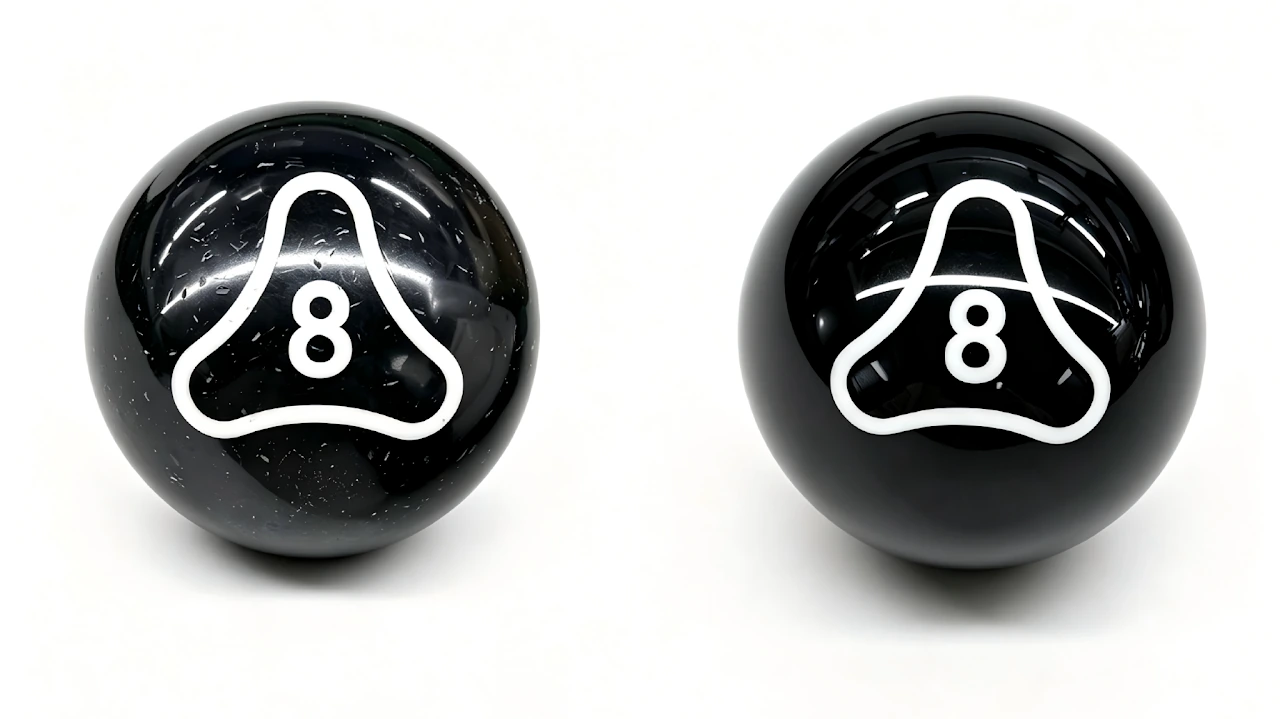
Restoration enquiries
Choose the issue you’d like assessed. The work depends on the balls’ condition.
-
Dull or Discoloured Balls
Ask us to assess billiard balls that have lost their shine or developed a cloudy appearance.
Enquire -
Surface Marks & Scuffs
Describe the marks you see so we can assess which balls may be suitable for restoration.
Enquire -
Full Set Assessment
Ask about restoring a full set and flag any balls with heavier wear.
Enquire
Look beyond
the shine.
A useful assessment starts with what you can see. Record each issue separately so the discussion covers the whole condition of the set.
Read the condition guide- Overall appearance
- Is the change spread across the set, or limited to a few balls? Note cloudiness, discolouration and uneven reflections.
- Individual marks
- Identify the ball number and location of each scuff. A close-up and a second angle help show the area of concern.
- Chips, cracks or shape concerns
- Flag these separately from surface appearance. Ask whether replacement should be considered before agreeing any work.
- What you want to achieve
- Explain whether you are enquiring about appearance, a few heavily worn balls or a whole set. Photos alone do not confirm playability.
How restoration works
-
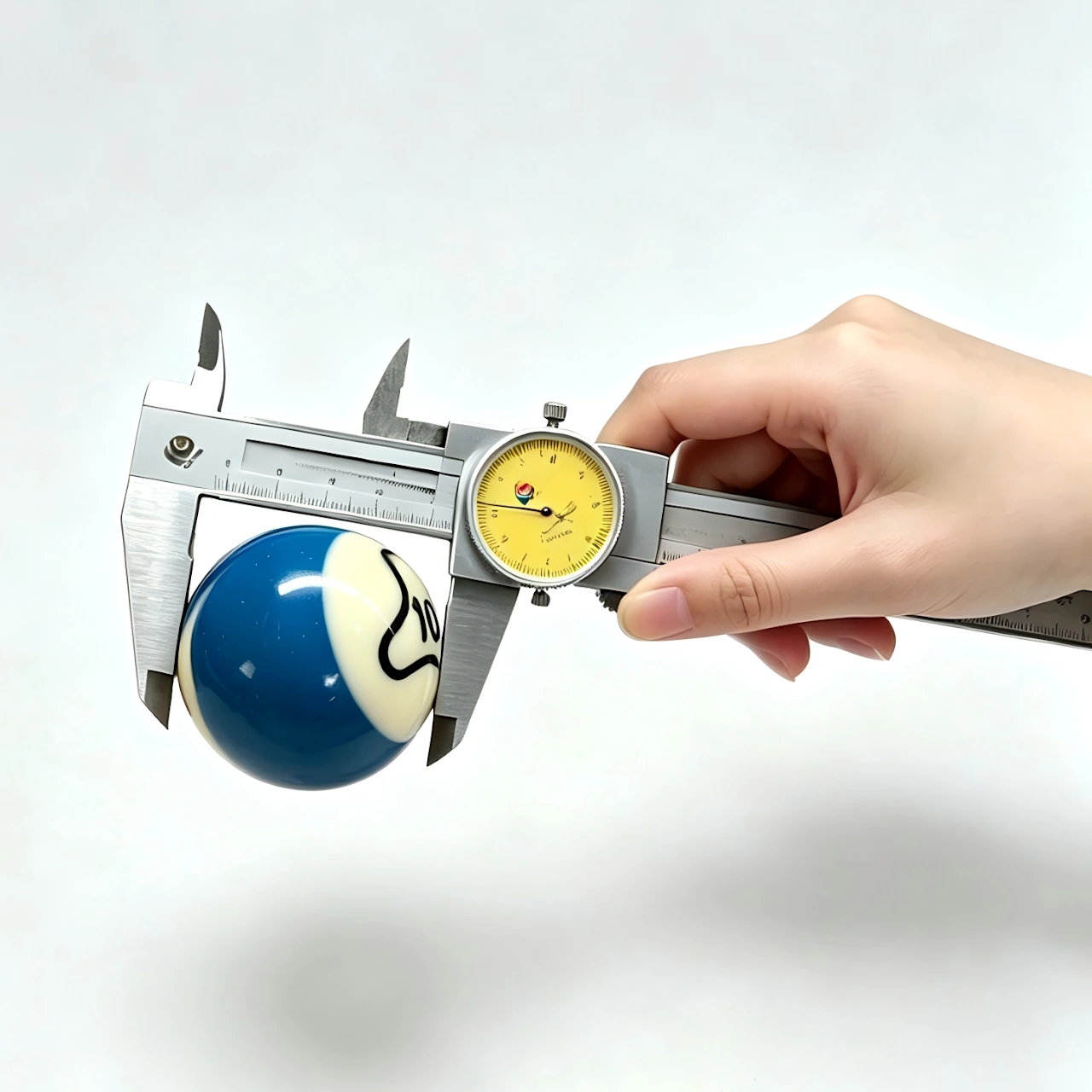
Measure the ball
The workshop checks the ball’s diameter before surface work begins. Tell us if a particular ball has to match the rest of a set.
-
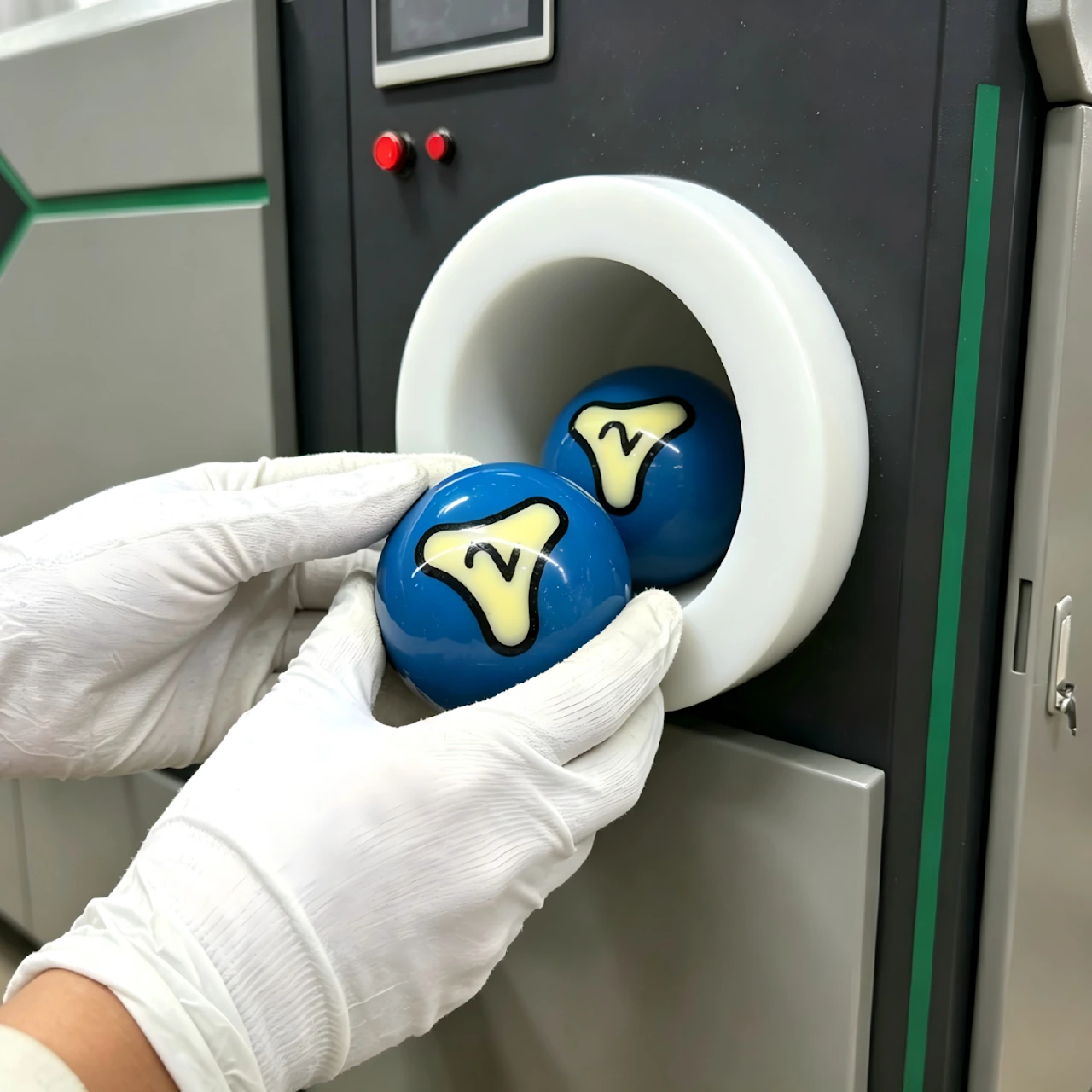
Treat surface scratches
The technician works on the areas agreed for restoration. Point out any scratches beside a number, stripe or logo when you send the ball.
-
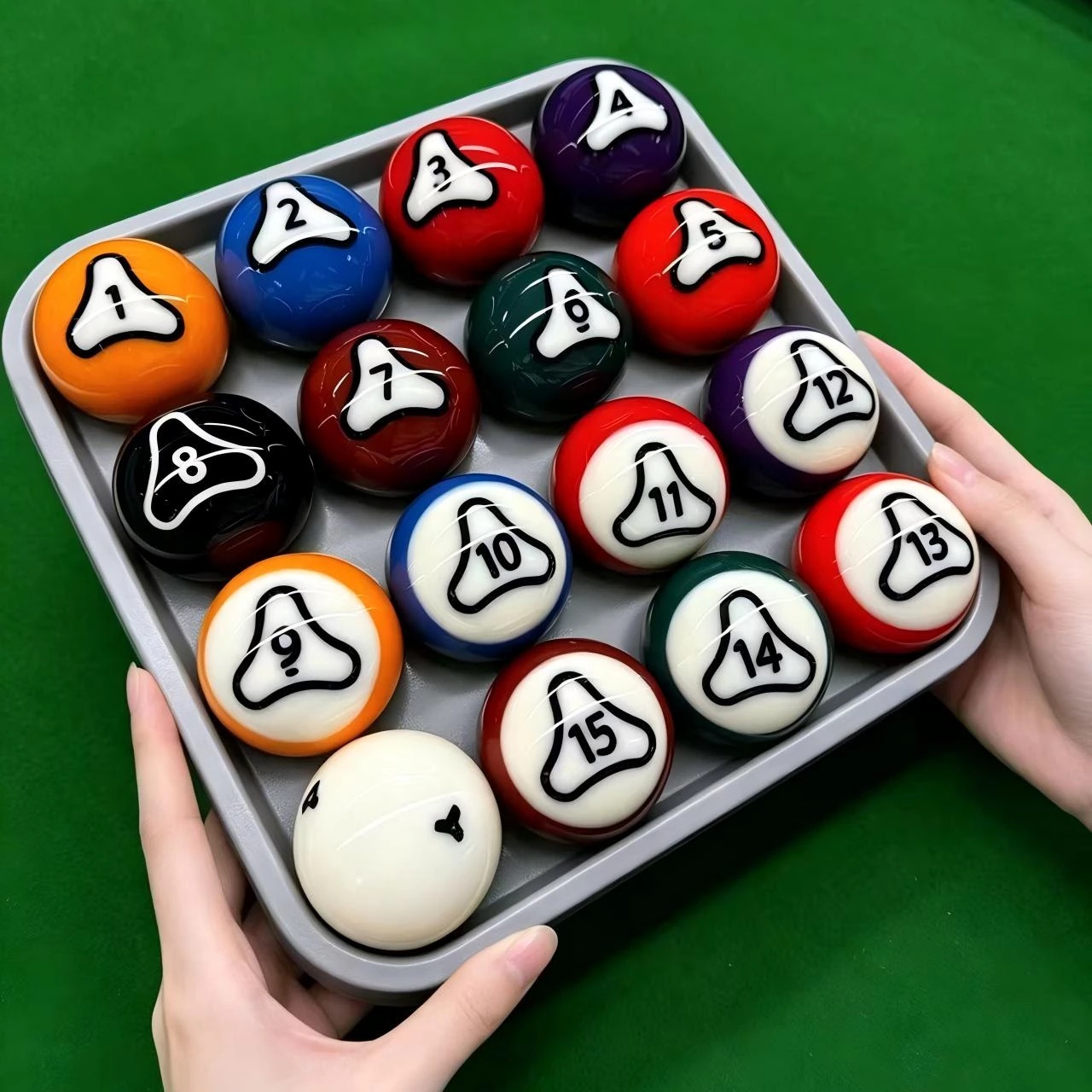
Polish and inspect each ball
Polishing gives the surface its smooth, glossy finish. The workshop checks each ball individually before it goes back into the set.
-

Pack for the return journey
The checked balls are packed for return. Confirm the recipient, delivery address and the balls expected in the parcel.
Stains and yellowing
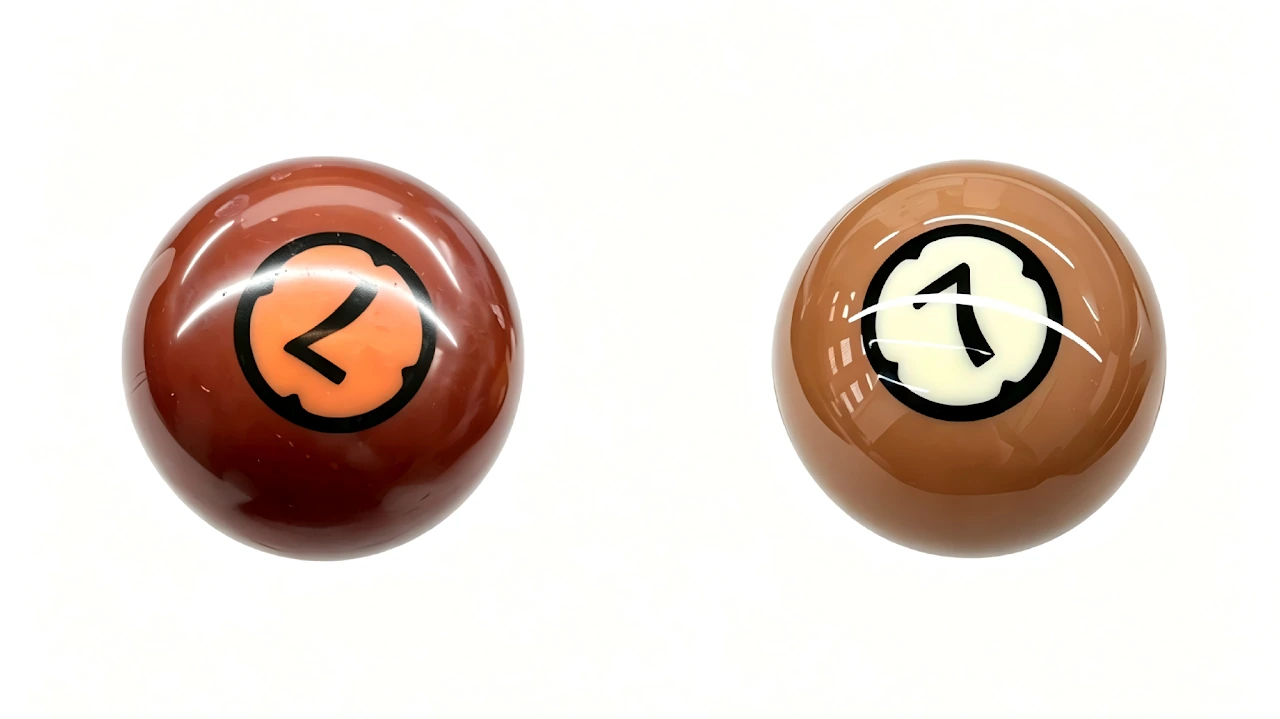
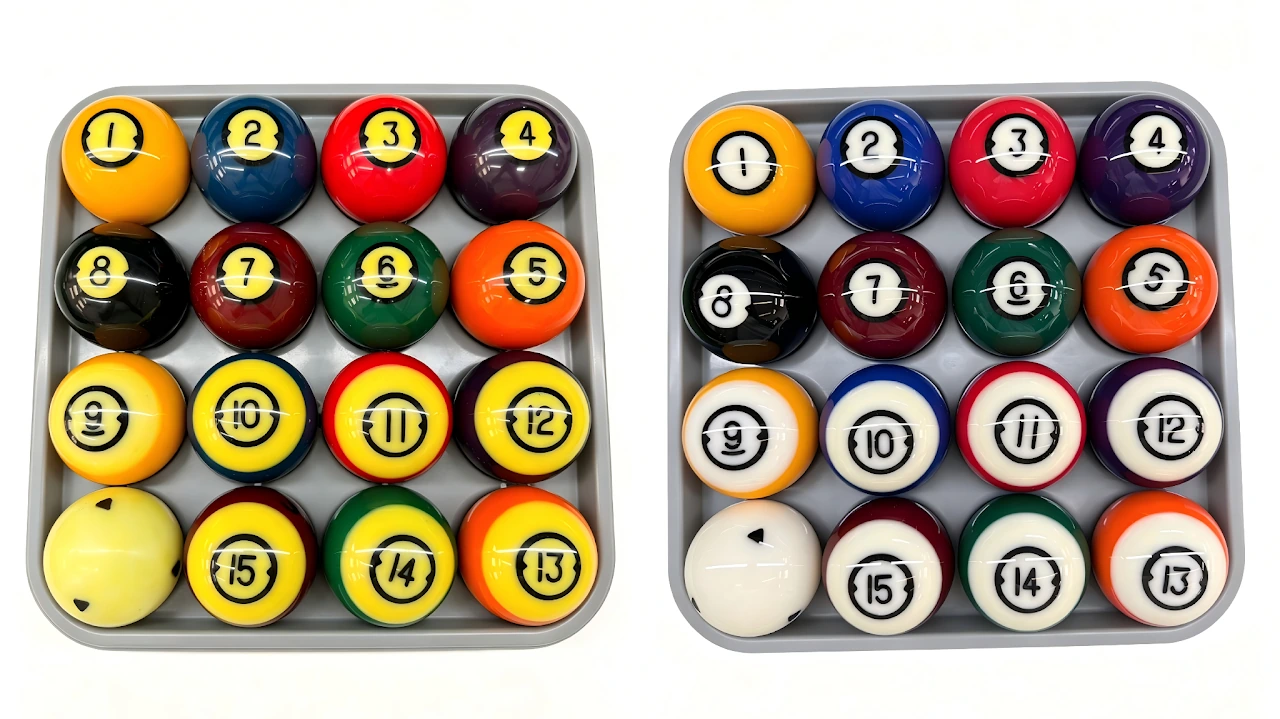
Compare a stained ball and a yellowed set in two workshop examples. Each pair shows the starting condition on the left and the restored balls on the right.